Exploring the cultural legacy and significance of casinos in society
Exploring the cultural legacy and significance of casinos in society
Historical Roots of Casinos
The history of casinos dates back to ancient times, with evidence of gambling activities found in civilizations such as the Greeks and Romans. These early forms of gambling were often intertwined with social and cultural events, highlighting the significant role these activities played in community life. As societies evolved, so did gambling practices, eventually leading to the establishment of formal gaming houses, where people also enjoyed real money slots.
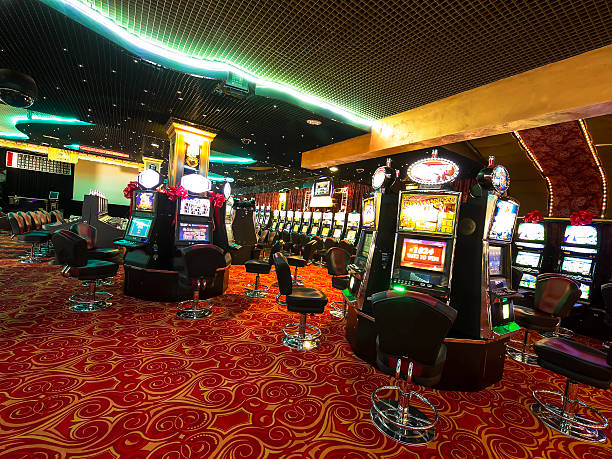
The modern casino as we know it began to take shape in the 17th century, particularly in Italy, where the term “casino” originated. These establishments quickly spread throughout Europe, adapting to local cultures and regulations. The rise of casinos marked a significant shift in the perception of gambling from mere pastime to a structured form of entertainment, influencing societal norms and attitudes toward chance and risk.
Casinos as Social Hubs
Casinos serve as vibrant social hubs, drawing individuals from various backgrounds together. Beyond the games and the chance to win, they offer a unique atmosphere where people can socialize, celebrate special occasions, or even conduct business. This blend of leisure and social interaction has made casinos a popular destination for both tourists and locals alike.
Moreover, casinos often host events that foster community engagement, such as charity fundraisers, concerts, and themed parties. These activities enhance their role as community centers, contributing to a sense of belonging among visitors while stimulating local economies through increased foot traffic and tourism revenue.
Cultural Representation in Media
The portrayal of casinos in movies, television, and literature has significantly shaped public perception of gambling. From classic films like “Casino Royale” to modern series like “Breaking Bad,” casinos often symbolize glamour, risk, and high stakes. These representations contribute to the mystique surrounding casinos, influencing societal attitudes and often romanticizing the gambling experience.
As a cultural phenomenon, casinos have inspired numerous artistic expressions, reflecting societal views on fortune, luck, and moral dilemmas. These depictions can sometimes lead to misconceptions about the reality of gambling, highlighting the need for a balanced understanding of both the allure and the risks associated with casino life.
The Economic Impact of Casinos
Casinos are significant economic engines for many regions, providing jobs and generating substantial tax revenue. They stimulate local economies by attracting tourists who contribute to various sectors, including hospitality and entertainment. The economic benefits extend beyond the casinos themselves, influencing local businesses and infrastructure development.
However, the economic impact of casinos is not without challenges. While they can drive growth, they can also contribute to social issues such as problem gambling. Communities must navigate these complexities to maximize the benefits while minimizing potential negative consequences, leading to ongoing discussions about regulation and responsible gambling practices.

Conclusion: Understanding the Multifaceted Role of Casinos
In conclusion, the cultural legacy and significance of casinos in society are profound and multifaceted. They have evolved from ancient gambling practices to modern social and economic hubs, reflecting shifts in societal attitudes and economic needs. While casinos provide entertainment and community engagement, they also pose challenges that require careful consideration and responsible management.
This exploration into the cultural significance of casinos highlights their importance in shaping societal interactions and economic landscapes. As we continue to engage with these establishments, it is essential to foster a dialogue around their roles and responsibilities in our communities, promoting safe and enjoyable experiences for all.
Leave a Reply